
To find out what your classic car is worth, start with its year, make, model, trim, and factory options, then compare recent values from trusted collector car price guides and adjust for your car's condition, originality, and documentation. The J.C. Taylor classic car value tool does that comparison for you, pulling data from multiple valuation sources in seconds. For insurance, that number becomes the starting point for your Agreed Value, the amount you and J.C. Taylor agree your car is worth before your policy begins.
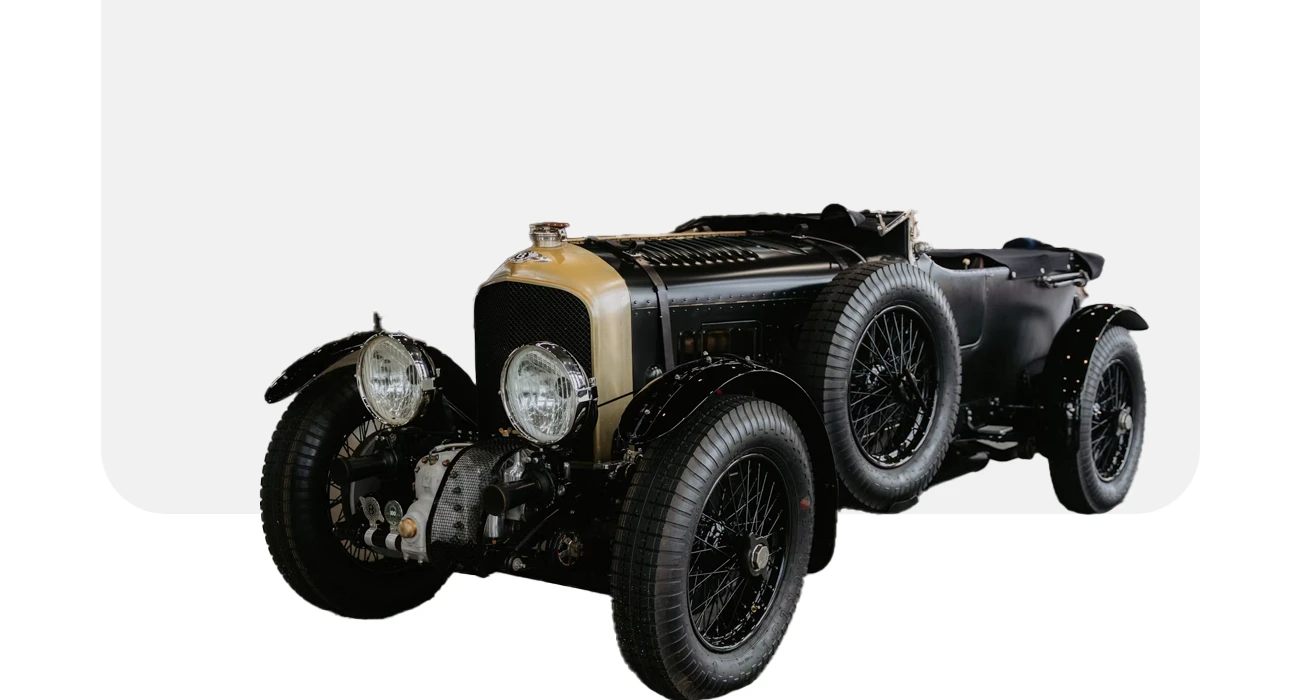
Two cars of the same year, make, and model can be worth very different amounts. Appraisers and price guides weigh the same core factors:
Most collector car price guides use a numbered condition scale. The 1 to 6 system, created by Old Cars founder Chet Krause in the 1970s, is the one many buyers, sellers, and appraisers still reference today:
Rate your car honestly, because an inflated condition rating will not match what the market sees. To qualify for collector car insurance with J.C. Taylor, a vehicle generally needs to be restored or in good, original condition. See the full vehicle and driver requirements on our Qualify for Collector Car Insurance page.
ClassicCarValue.com is a first-of-its-kind tool that allows users to find an accurate classic car value online by comparing data from multiple classic and collector car valuation sources.
Using data from acclaimed publishers, such as Old Cars Report Price Guide, NADA, CLASSIC.com, Hemmings, and Collector Car Market Review, this classic car value guide calculates valuations based on a vehicle’s specific year, make, model, vehicle trim, and included factory options. Here is what each source is best known for:
Because each source sees the market a little differently, comparing several of them gives a more balanced number than relying on any single guide.
Some situations call for a professional appraisal rather than an online estimate:
Whether your policy requires an appraisal depends on the vehicle, and our team will let you know during your quote if one is needed.
Collector car values move with the market, so review your car’s value at least once a year, usually at renewal, and any time you finish a restoration, add valuable equipment, or see comparable cars selling for noticeably more.
Your car’s value sets how much protection you actually have. Standard auto policies usually pay actual cash value after a total loss, which factors in depreciation. For a collector vehicle that has held or gained value, that can leave you far short of what the car is really worth.
With Agreed Value coverage, you and J.C. Taylor agree on your vehicle’s value before the policy is issued, based on its market value and condition. If you have a covered total loss, the Agreed Value is what you receive, less any applicable deduction, with no depreciation taken at claim time. Read more about how Agreed Value works in our FAQ.
That is why an accurate valuation matters. Set the value too low and you are underinsured. Set it too high and you pay more for coverage the market may not support.
Getting a valuation takes about a minute:
Step 1: Click Get Your Valuation below to open the tool.
Step 2: Enter your vehicle's year, make, and model.
Step 3: Choose the trim and any factory options your car came with.
Step 4: Review the values returned from multiple price guides, then adjust for your car's real condition using the scale above.
Step 5: Use that number as the starting point for your Agreed Value when you request a quote.
Not sure your car qualifies? Review our collector car insurance requirements or get a quote today.

